

The Importance of Citation
Citations are an essential part of academic and professional writing. They allow writers to acknowledge the sources of their information, ideas, and research. Whether in essays, research papers, articles, or reports, proper citation helps maintain honesty, credibility, and academic integrity. By giving credit to original authors, citations support ethical writing practices and strengthen the quality of written work.
1. Citations Prevent Plagiarism
One of the most important reasons for using citations is to prevent plagiarism. Plagiarism occurs when someone uses another person’s words, ideas, or research without giving proper credit. This is considered unethical in academic and professional environments and can lead to serious consequences.
Citations show readers where the information came from and clearly distinguish the writer’s own ideas from borrowed material. By properly referencing sources, writers demonstrate honesty and respect for the work of others. This helps maintain trust and integrity in academic writing.
2. Citations Strengthen Credibility
Using reliable sources and citing them correctly improves the credibility of a piece of writing. Readers are more likely to trust information that is supported by evidence from books, journals, articles, or trusted websites. Citations show that the writer has conducted research and based their arguments on accurate information.
In academic settings, strong citations can make essays and research papers more persuasive and professional. They provide proof that the writer understands the subject and has engaged with existing research and ideas.
3. Citations Help Readers Find Sources
Another important benefit of citations is that they allow readers to locate the original sources used in a paper. Readers may want to explore a topic further, verify information, or learn more about a particular study or argument.
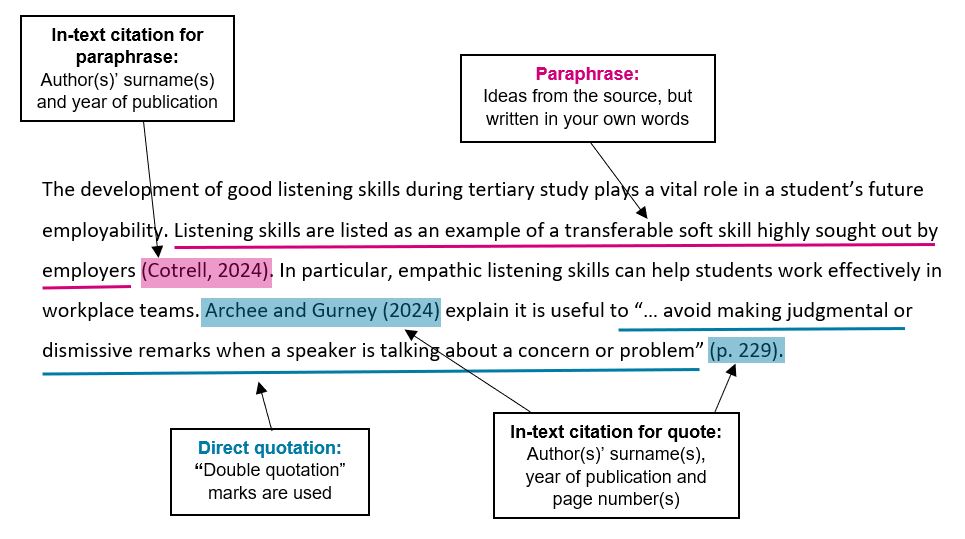
A proper citation provides details such as the author’s name, publication title, date, and source location. This makes it easier for others to access the referenced materials. Citations therefore support the sharing and expansion of knowledge in education and research.
4. Citations Support Academic and Professional Standards
Most schools, universities, and professional organizations require the use of citations in written work. Different citation styles, such as APA, MLA, Harvard, and Chicago, provide standardized methods for referencing sources. Following these guidelines helps maintain consistency and professionalism in writing.
Learning how to cite sources properly is an important academic skill that students and researchers use throughout their education and careers. Proper citation demonstrates attention to detail, responsibility, and respect for intellectual property.
Conclusion
Citations are important because they prevent plagiarism, strengthen credibility, help readers locate sources, and support academic standards. They play a key role in maintaining honesty and professionalism in writing. By using proper citations, writers acknowledge the contributions of others while building stronger and more trustworthy arguments. In both academic and professional environments, citation remains a fundamental part of effective communication and responsible research.